Concept engineering
A practical route from an operational problem to a machine that can be built, verified and used.
Service & fabrication · Buren, NL
RCR Engineering combines recovery experience, offshore crane know-how and structural capability to solve demanding lifting, access and handling problems.
What we do
RCR stays close to the load, the operator and the fabricator. The result is engineering that survives contact with reality.
A practical route from an operational problem to a machine that can be built, verified and used.
Purpose-built structures, mechanisms and interfaces developed around real loads and working space.
Clear load paths, defensible calculations and decisions prepared for owners, surveyors and fabricators.
Engineering that stays close to the workshop through detailing, assembly and testing.
Field-informed upgrades for equipment that must perform outside ideal textbook conditions.
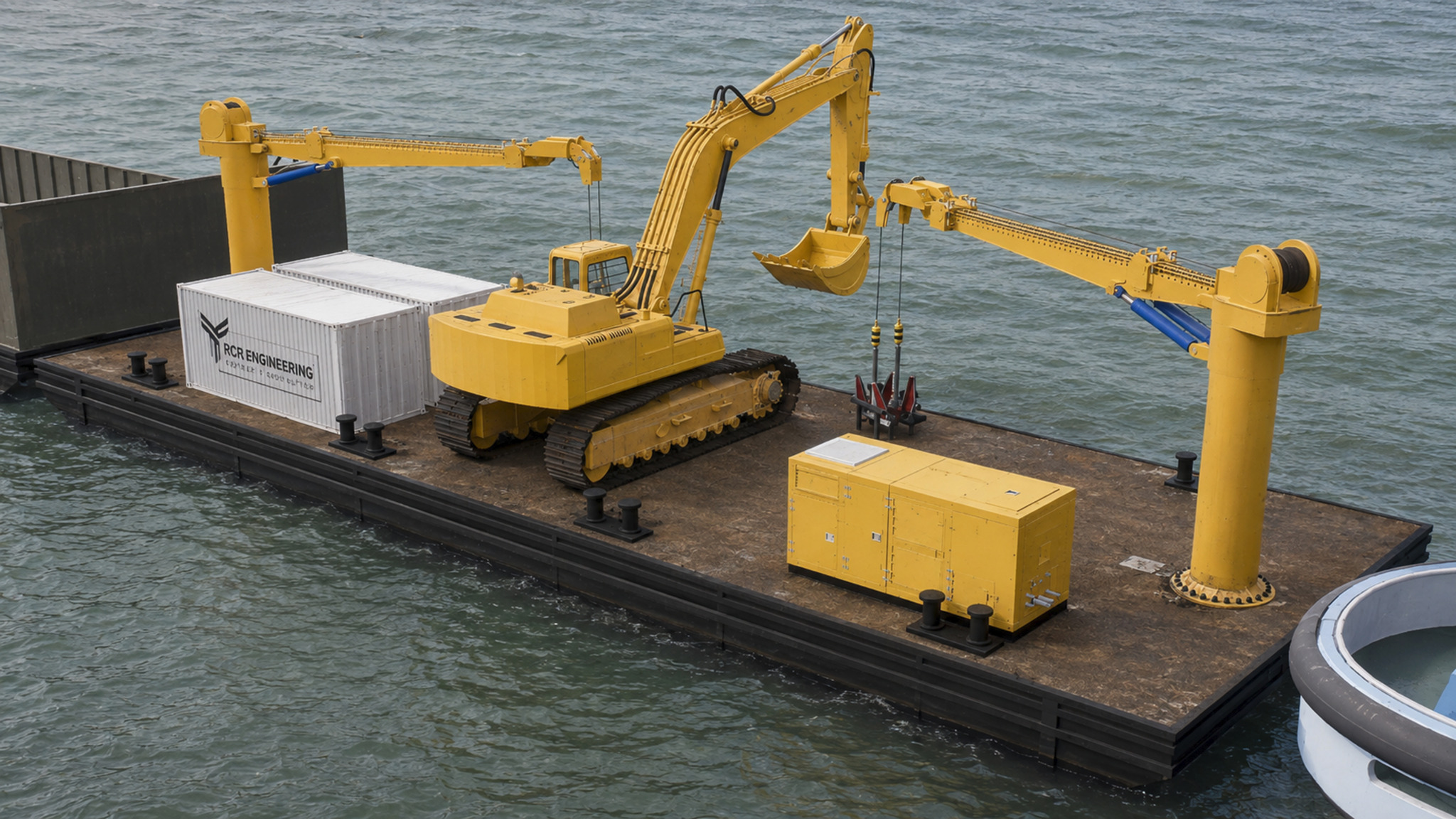
Lifting, access and handling equipment integrated on vessels, pontoons and fixed structures.
Selected field work
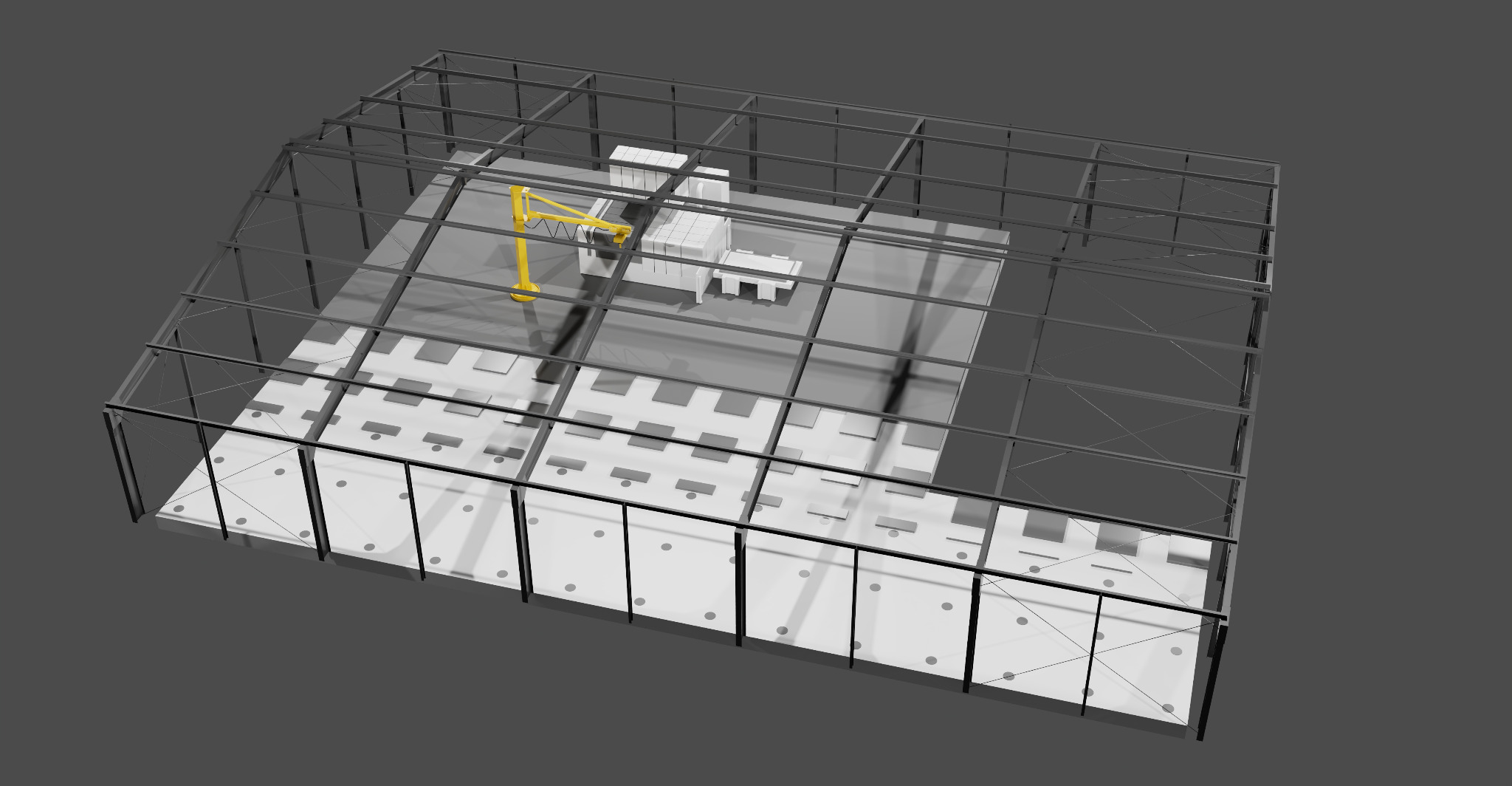
From vessel-mounted handling equipment to complete operational layouts, RCR follows the engineering through to the place where it must perform. View the complete portfolio →
Selected concepts
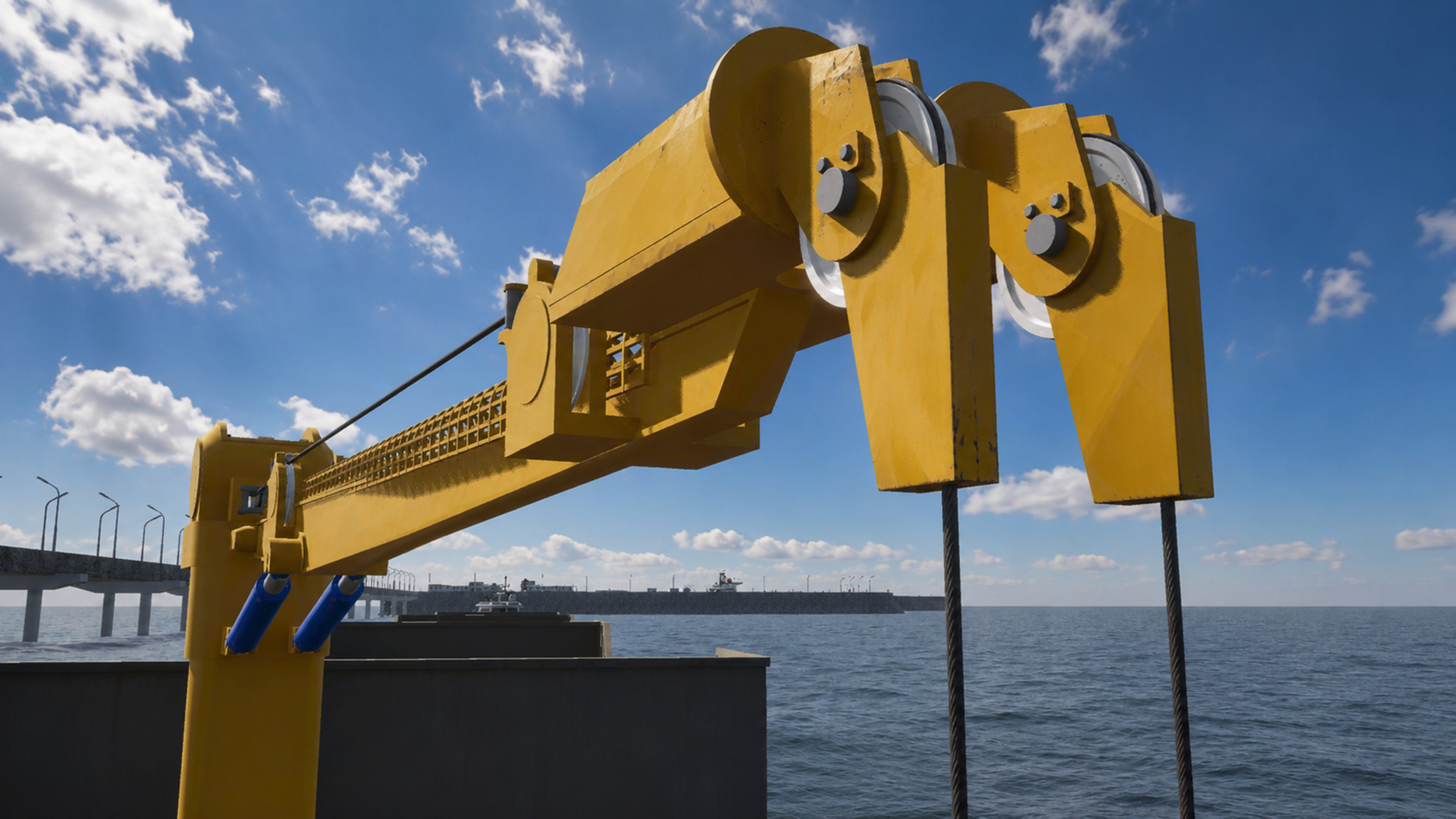
Independent dual-winch control
Two independently driven hooks turn awkward recovery and offshore lifts into controlled movements. Load orientation can be adjusted without surrendering control to swing and tilt.
Engineering dossiers
Keep the load controlled, keep the installation buildable and give the operator equipment that remains useful when reality stops behaving like the calculation.
RCR solution / 01
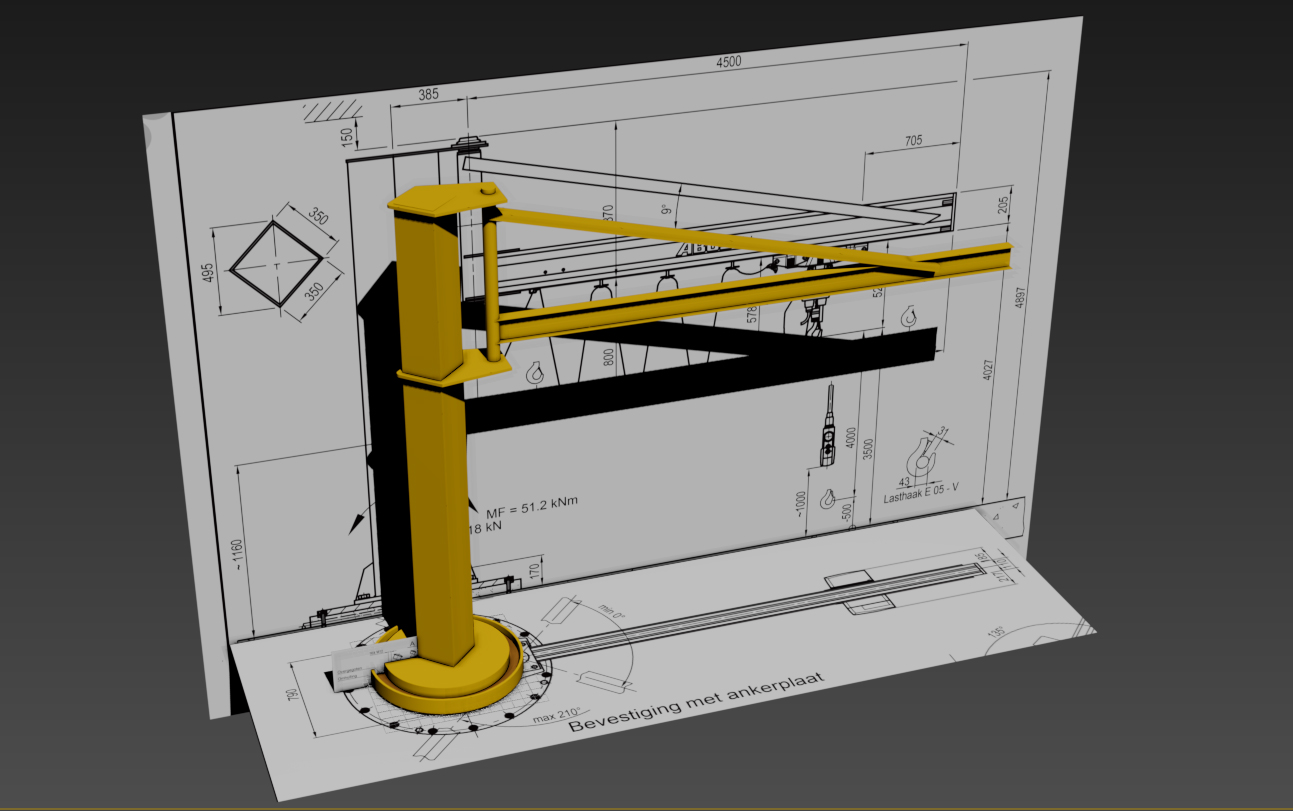
Developed from heavy-truck recovery practice, the mast head is intended for damaged, irregular and difficult loads rather than ideal textbook lifts. Two hooks, each powered by its own winch, let the operator adjust height and tension independently to balance the load, shift its centre of gravity and control critical manoeuvres.
The single-fall hoisting arrangement uses sheaves and wire routing dimensioned around the relevant DNV-GL D:d requirements. Correct rope-bending geometry supports predictable performance, longer rope life and fewer unplanned inspection or replacement stops.
Independent hooks also enable controlled upending: a component can move from horizontal transport to vertical installation with far better control of swing and tilt—particularly valuable on moving platforms and confined decks.
RCR solution / 02
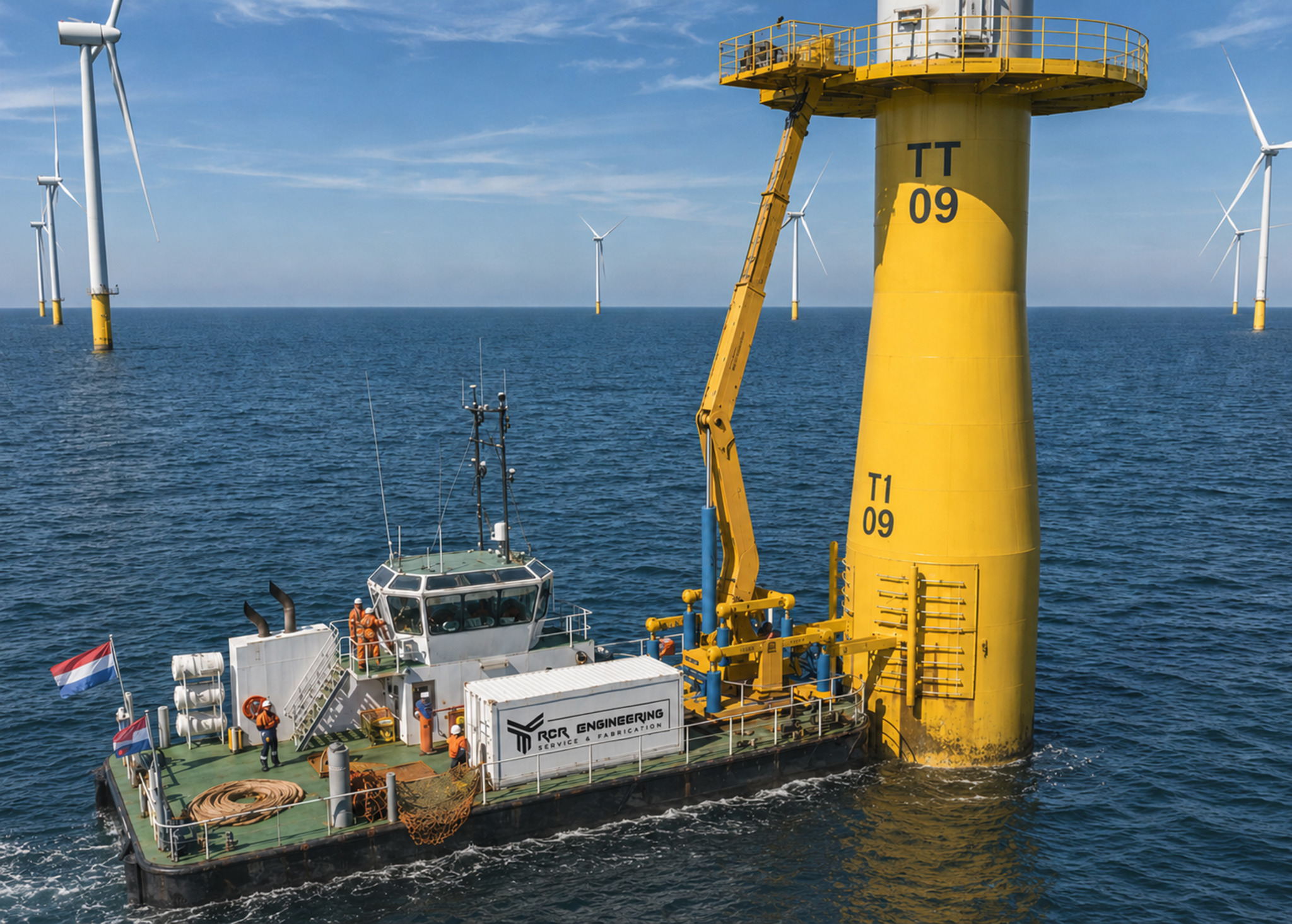
Articulated suction arms on the bow form a fast, secure connection with a monopile transition piece. The vacuum-secured interface passively controls vessel motions so personnel, tools and cargo can transfer with the confidence of a stable offshore doorstep.
Remote operation from the bridge reduces exposure for deck personnel and supports repeatable approach, connection and release. By avoiding conventional mooring lines, the concept shortens the transfer cycle and increases workable uptime in wave-affected and tidal conditions.
RCR can develop the system as a custom or retrofit bow module, matched to the vessel, the target structure and the project’s onboard safety and operational protocols.
RCR solution / 03
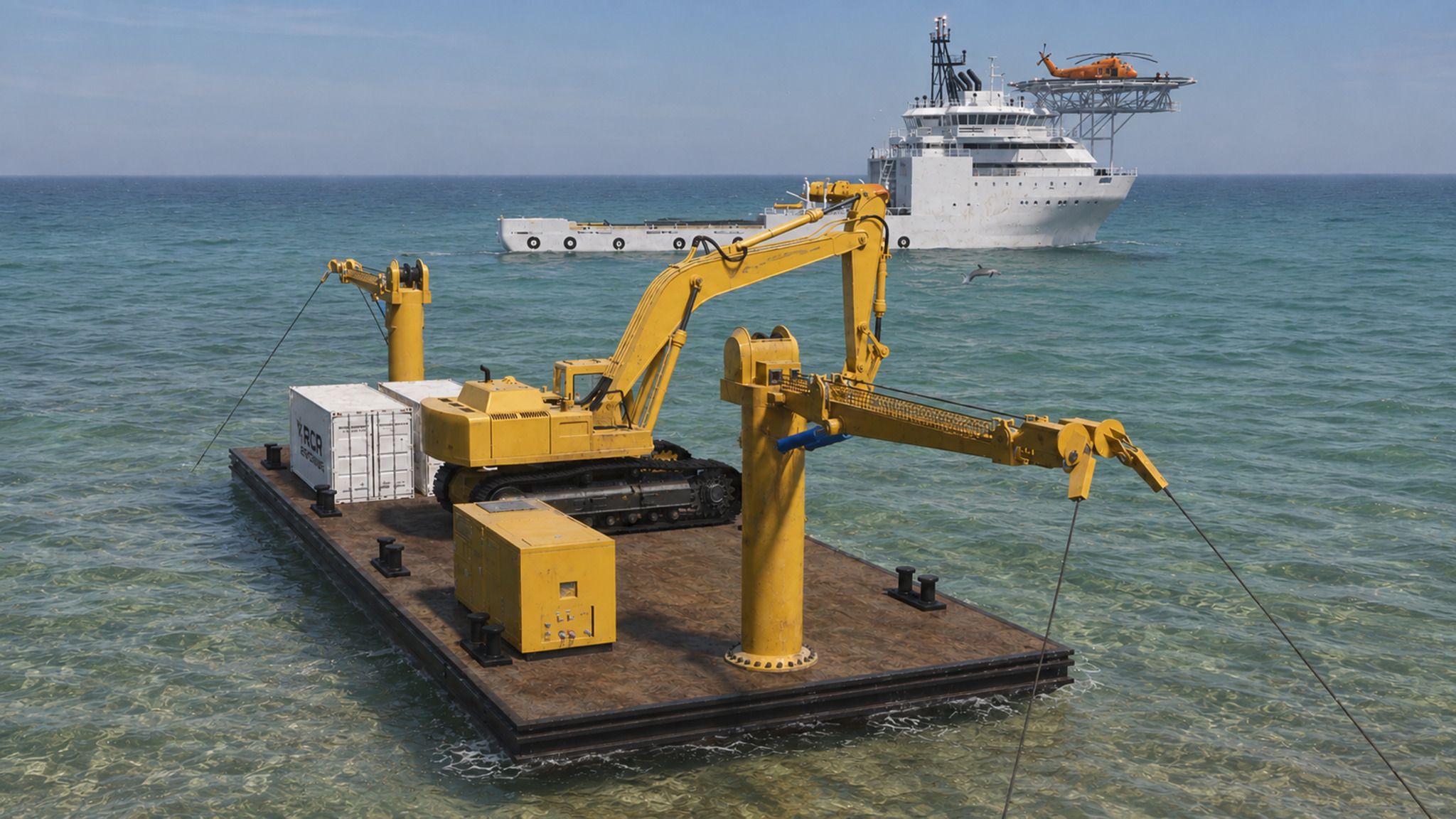
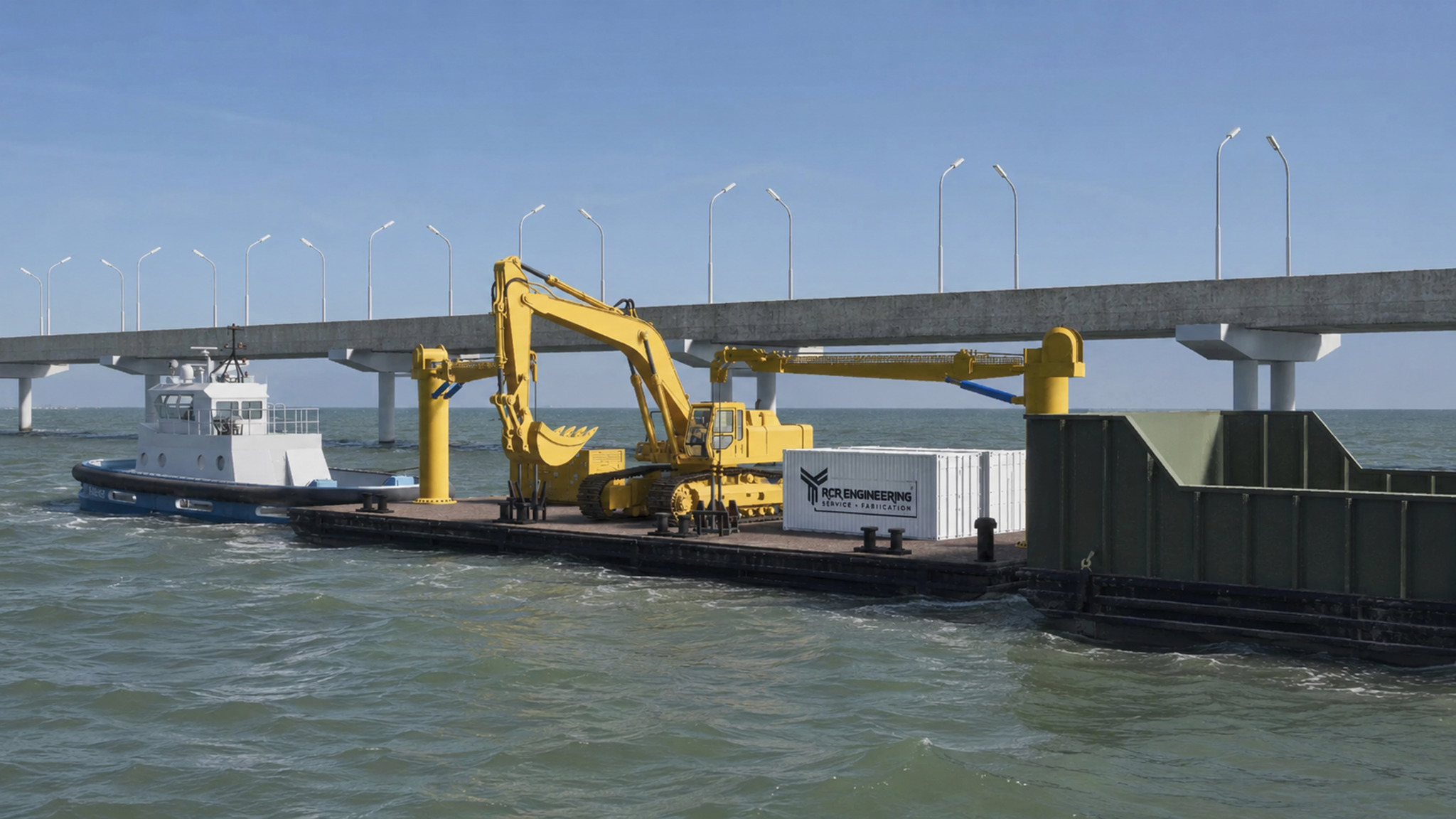
A large suction pad in the crane base creates the vertical holding force and friction needed to resist overturning moments and horizontal loads. The result is a reusable crane foundation that can be installed without welding, drilling or a permanent pedestal.
The foldable knuckleboom combines useful outreach and precise positioning with a small stored footprint. Crane and foundation can move together as a project-based module between workboats, barges, pontoons, quays and temporary industrial sites.
Redundant vacuum circuits, continuous monitoring and controlled emergency release form part of the safety philosophy. Capacity and outreach are engineered against suction area, supporting-deck strength and applicable lifting and marine-equipment standards.
Mechanical energy storage
Power Spring modules store energy elastically in coiled spring-steel elements. A motor and reduction drive wind the store; the same mechanical system can return controlled rotating torque when the application needs it.
Development focus: rapid, repeated energy exchange for cyclic machinery and short-duty motion systems. Capacity, power, service life, containment and control remain subject to application-specific engineering, testing and validation.
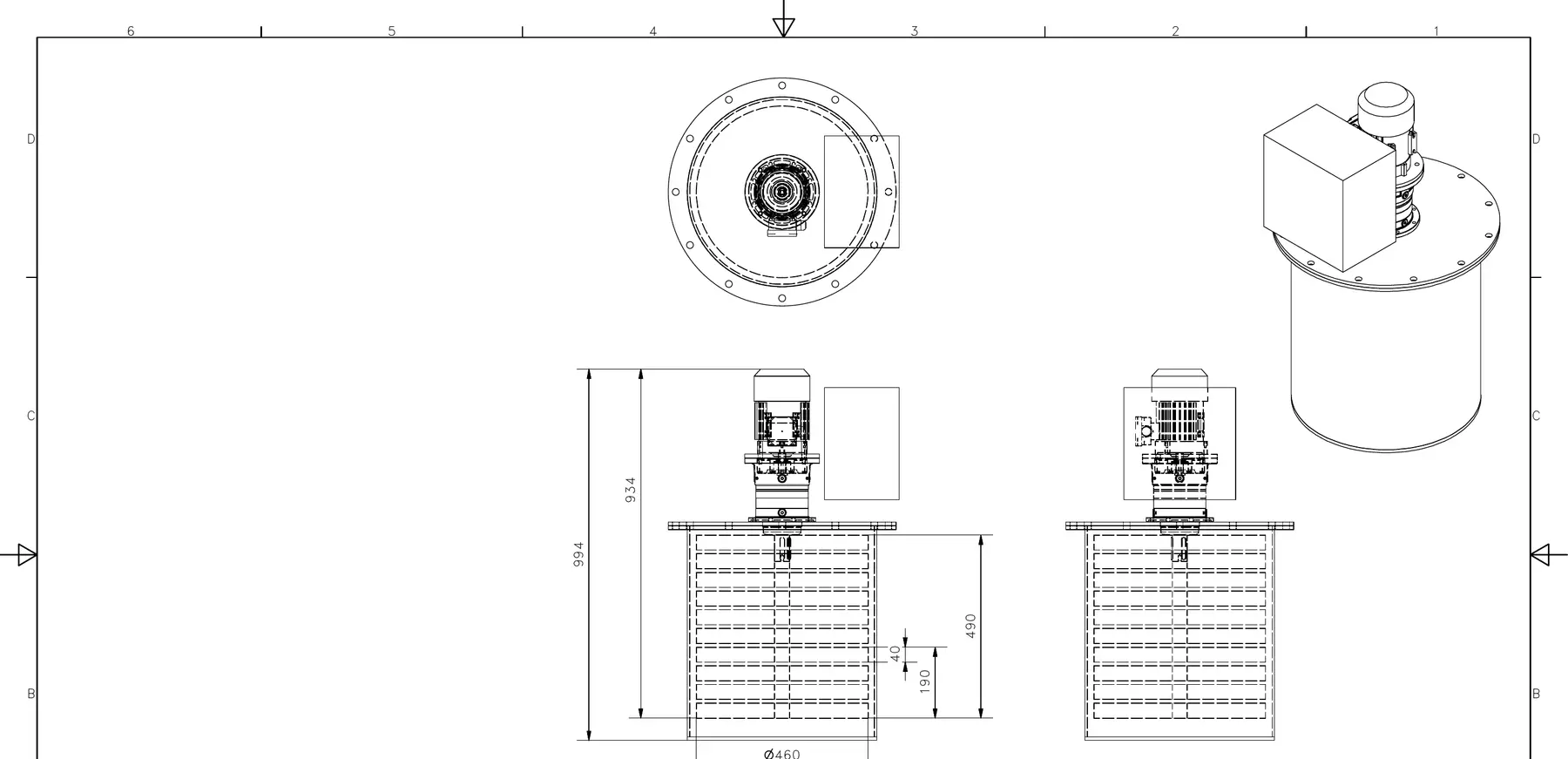
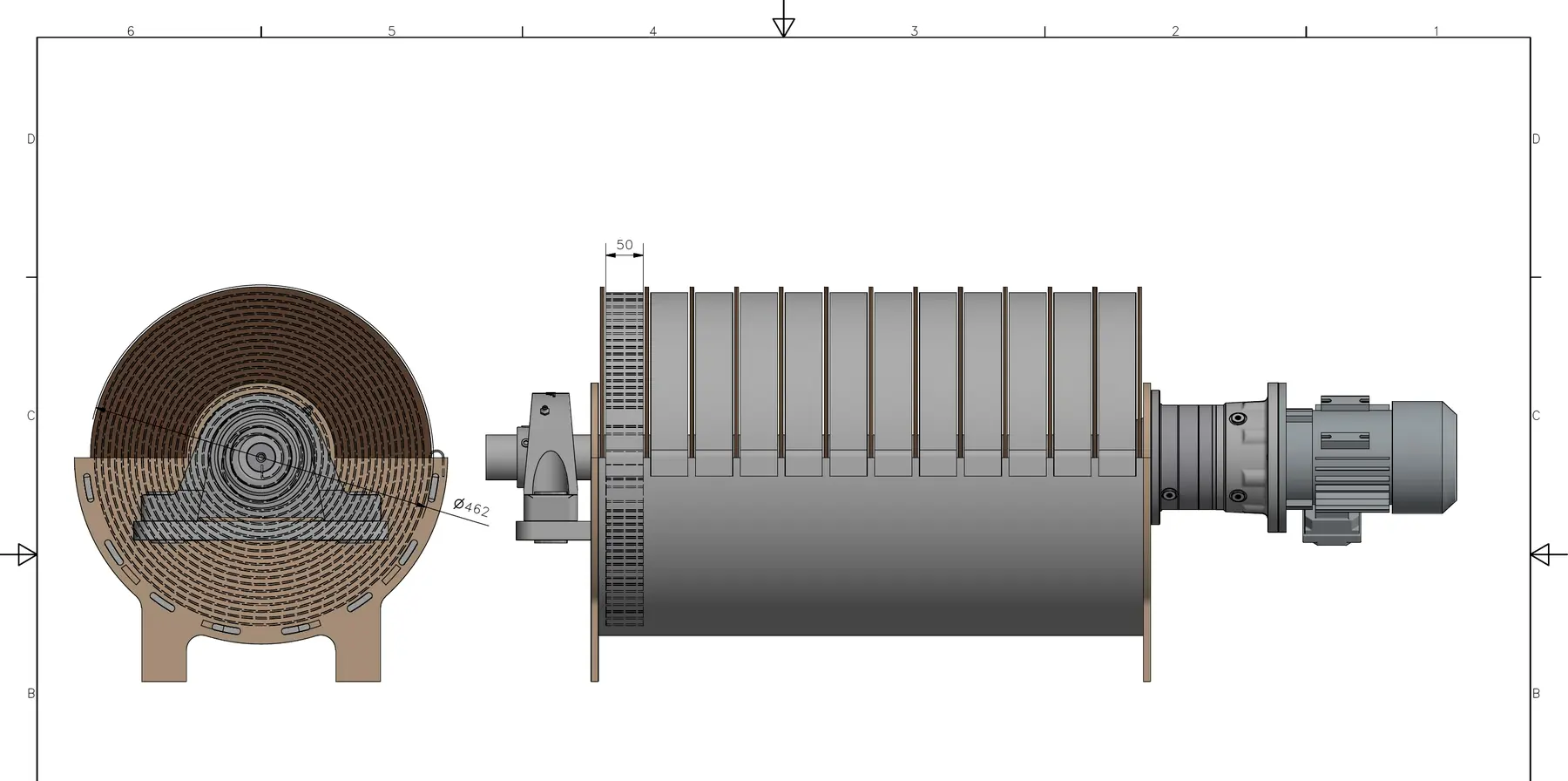
Stored mechanical energy can assist a drive during acceleration and other short high-demand events.
Controlled deceleration can redirect part of a rotating system's energy back into the spring store.
The store, drive, interfaces, monitoring and containment are developed around the operating cycle.
Concepts under evaluation
Assist drum acceleration and spin-up, recover energy during controlled deceleration, and explore whether the protected module can also contribute useful counterweight mass.
Support repetitive routes, frequent starts and short peak loads in carts, AGVs and compact transport systems.
Explore acceleration assistance, short drive cycles and regenerative energy recovery in small vehicles and demonstrators.
Mobile indoor-sports equipment
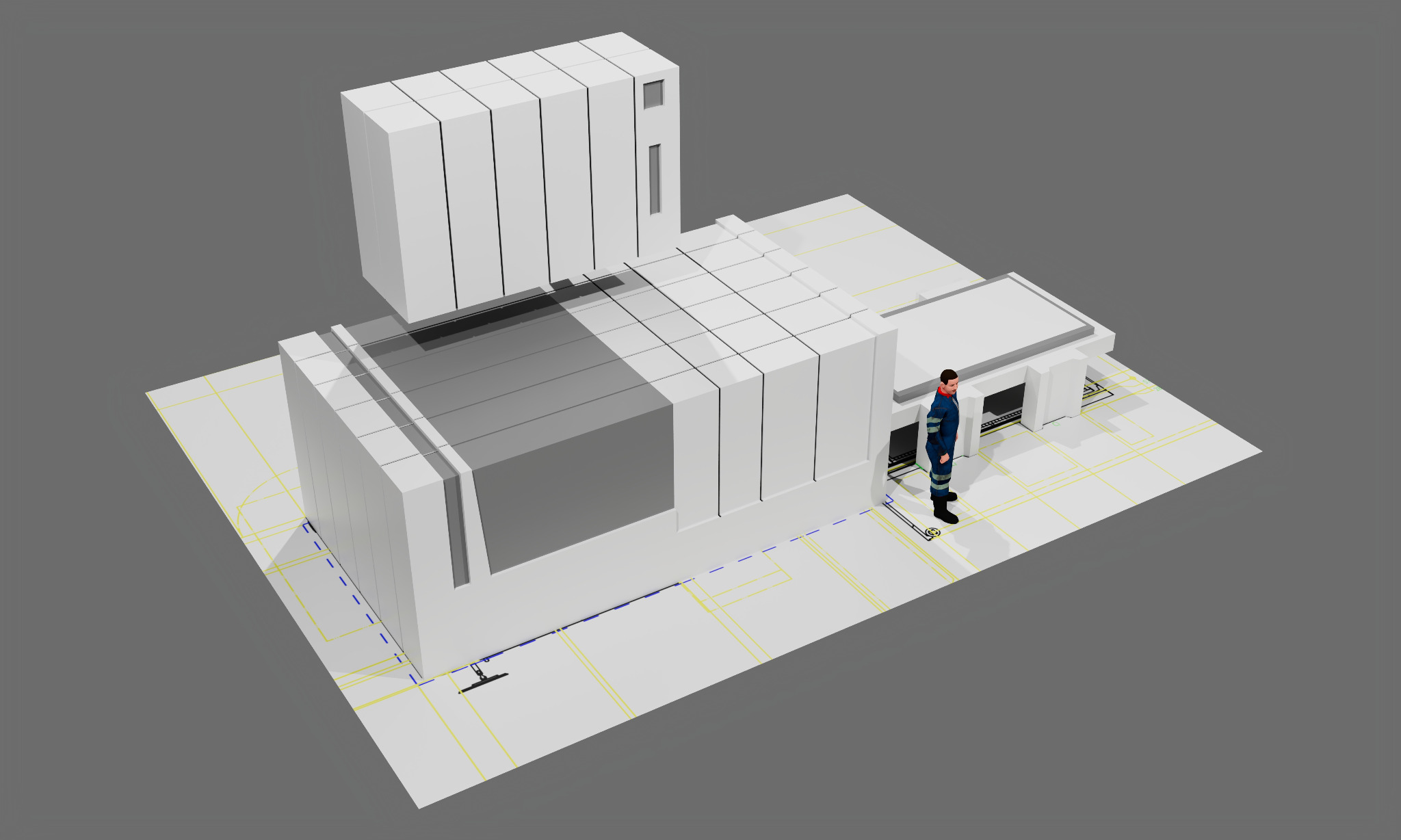
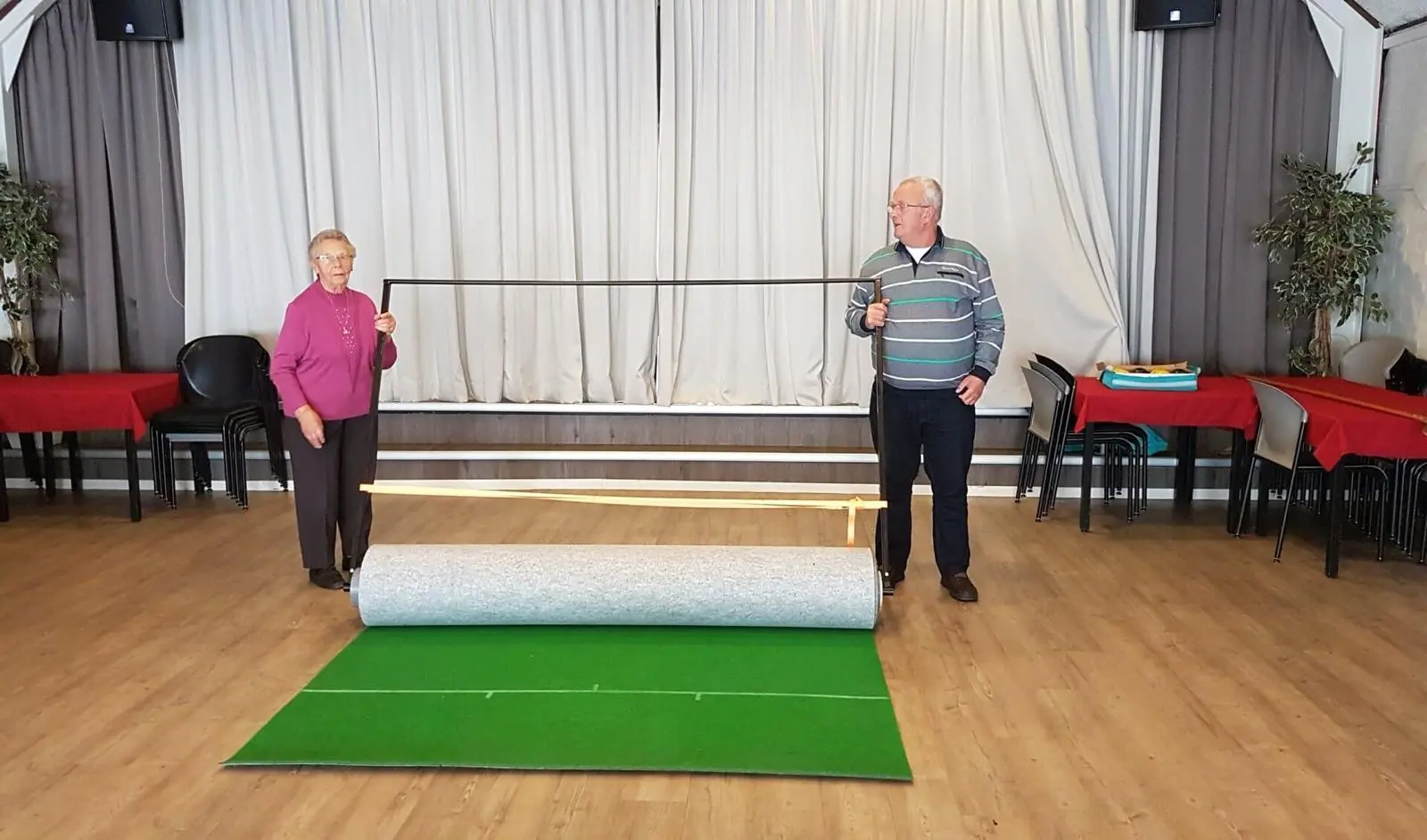
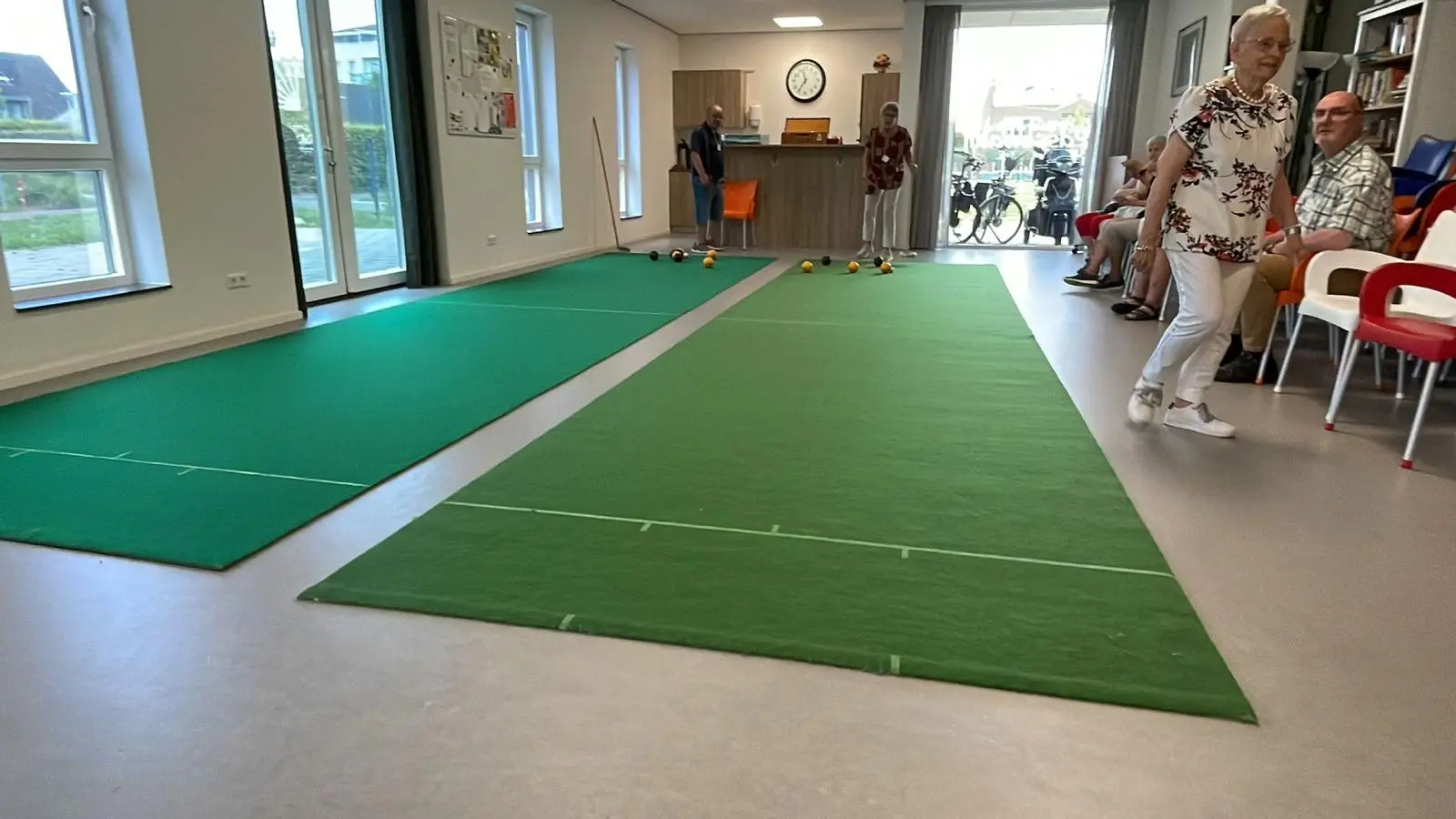
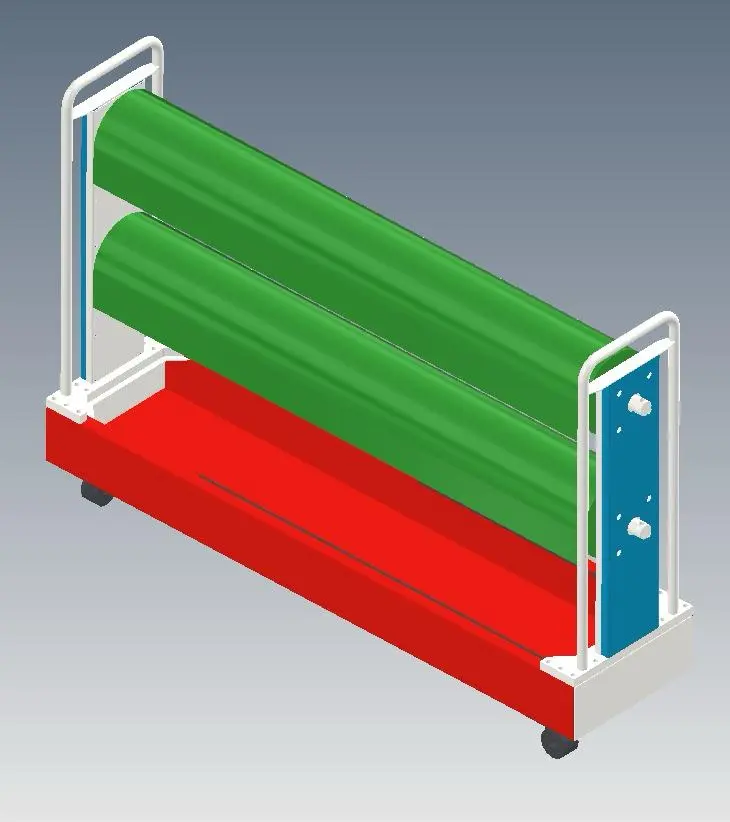
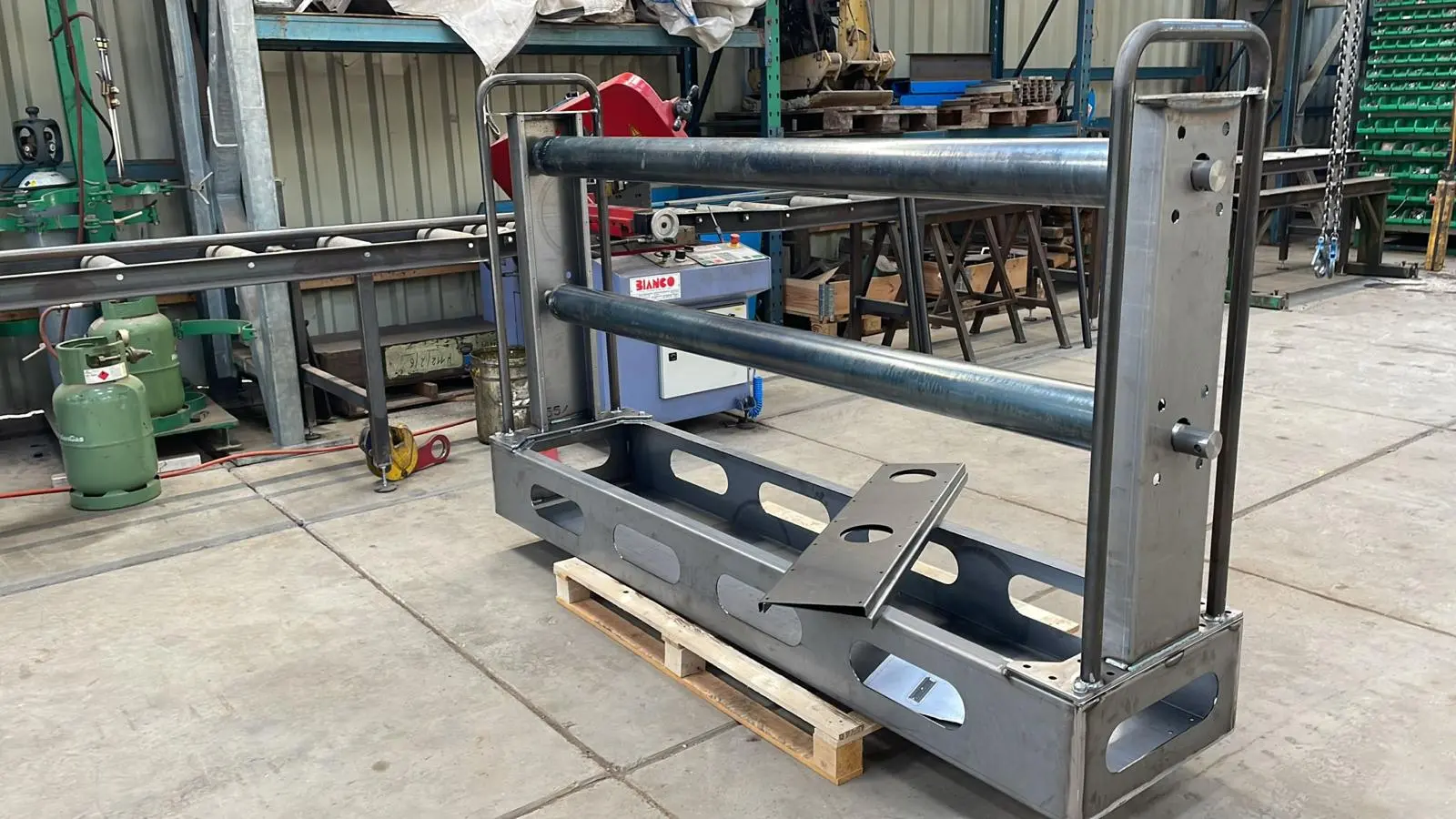
RCR designed and fabricated a twin-roll trolley for storing, transporting, deploying and rewinding two koersbal mats. The hand-operated system keeps the mats protected and turns a multipurpose room into two playable lanes without permanent installation.
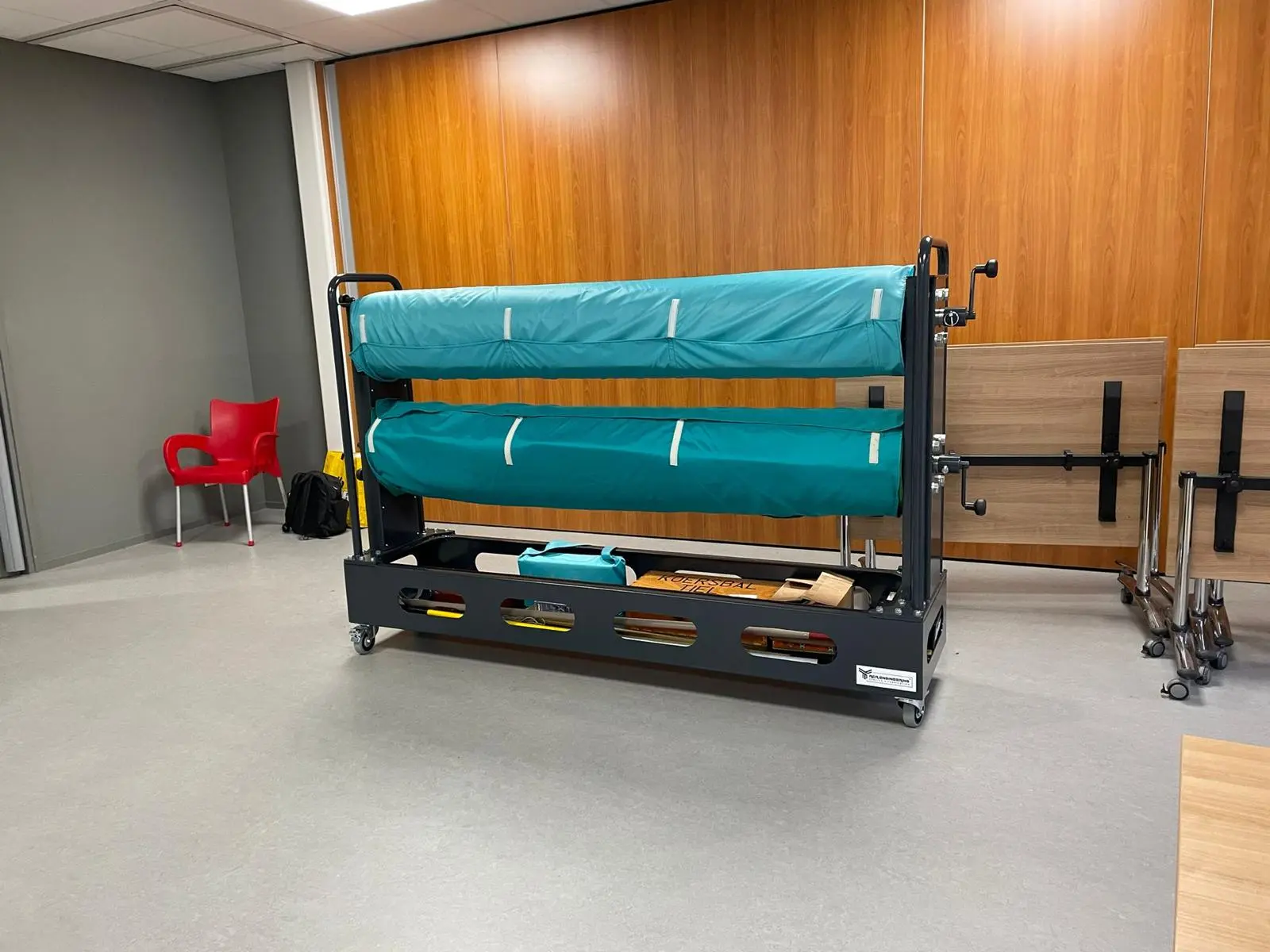
From requirement to reality
The project brings together compact storage, safe manual handling and quick room changeover in one purpose-built piece of equipment.
Working method
Load, carrier, cycle, operator and site constraints.
Mechanisms, interfaces, structure and controls.
Load cases, failure modes and structural behaviour.
Fabrication, assembly, testing and improvement.
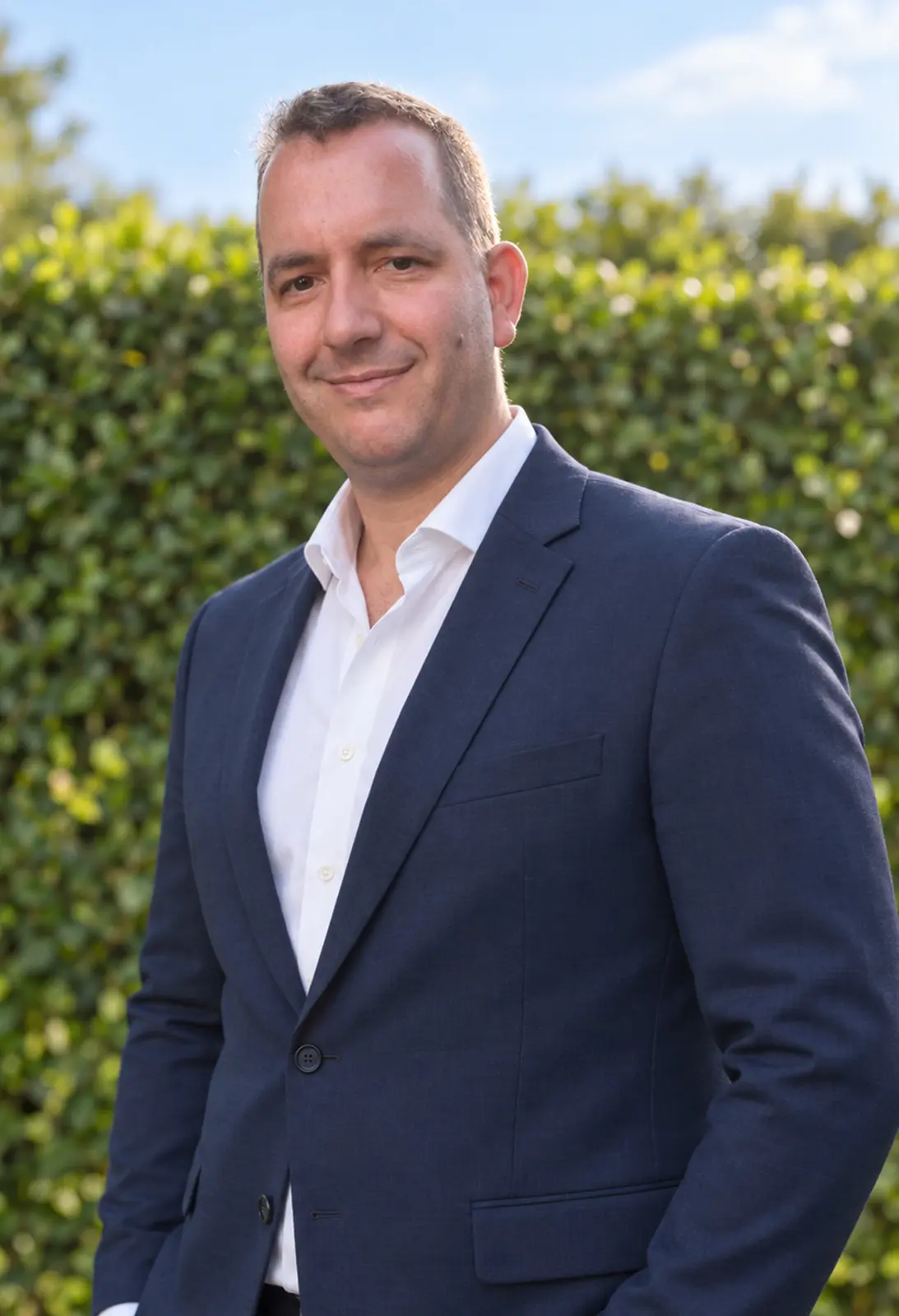
About Reinier
Reinier Crone is a multidisciplinary mechanical and offshore engineer with hands-on experience spanning engineering, fabrication, transport, commissioning and project delivery.
Raised around vacuum-lifting equipment and active in machine assembly from an early age, he built a career around the point where design meets operation. His work has covered lifting equipment, piling rigs and templates, dredgers, offshore vessels, wind-industry tools and custom steel structures.
Reinier leads projects from client requirements and concept development through cost estimation, detailed engineering, supplier coordination, fabrication, inspection, load testing and site acceptance. That continuity keeps technical decisions connected to buildability, safety and the people who must use the finished machine.
Practical cooperation
More than 25 years of close cooperation with SUXXESION in vacuum technology, combined with heavy-truck recovery experience, underpin RCR’s approach: understand the forces, build the interfaces and keep the operator in control.
Start with the difficult part