From an operational need to a workable machine.
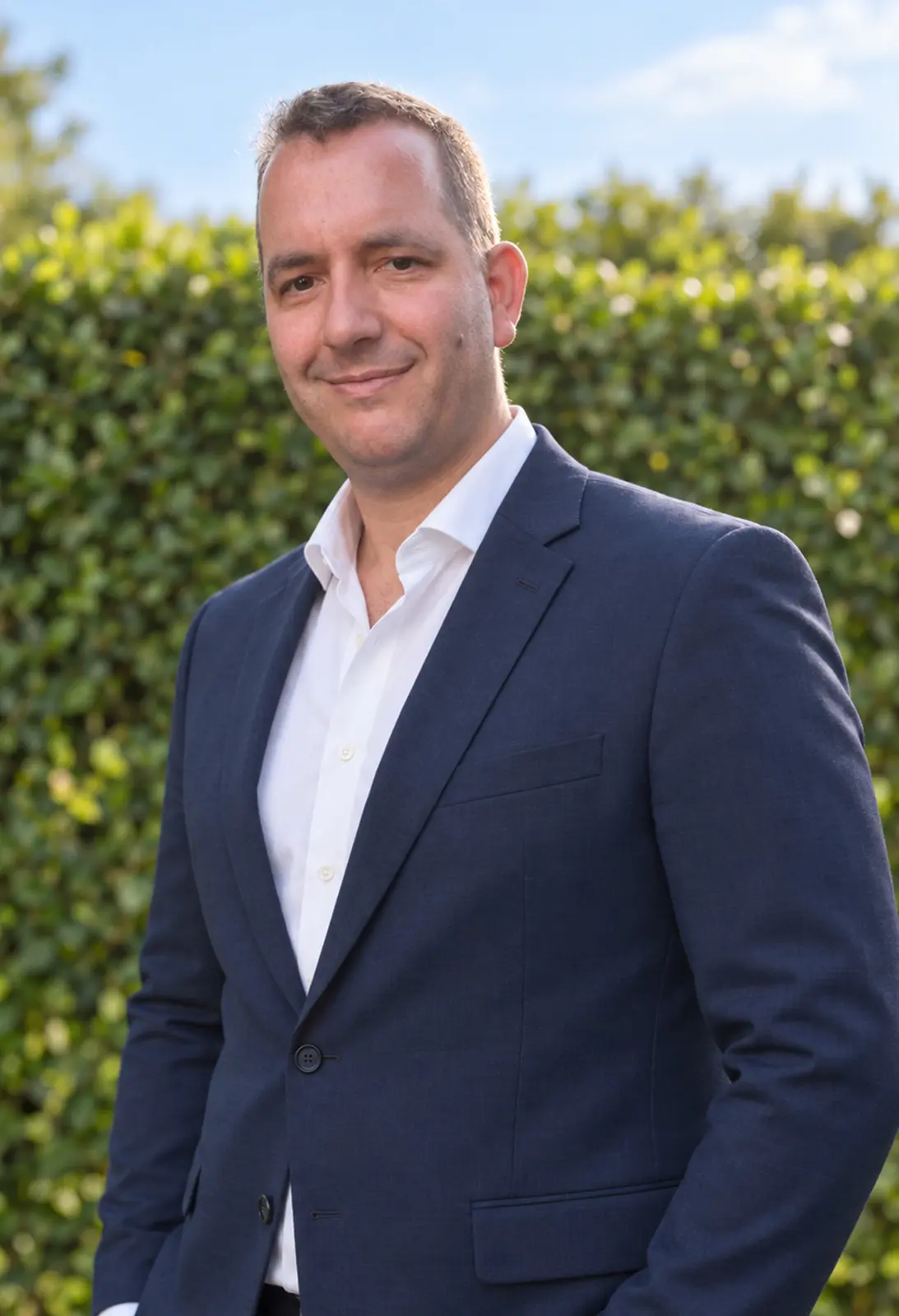
Reinier's engineering approach starts with the application: the equipment's purpose, its loads and movements, available space, working environment, fabrication requirements and maintenance access.
A lifting device or handling mechanism cannot be separated from its supporting structure, the product it moves or its operating sequence. Looking at the whole system helps connect an initial concept with equipment that can actually be manufactured, assembled and operated.
Experience across engineering and industrial practice.
Reinier studied Mechanical Engineering at Avans University of Applied Sciences in ’s-Hertogenbosch between 2006 and 2010, focusing on offshore engineering and automation. Internships at Huisman Equipment and IHC Hytop introduced him to specialist heavy-equipment and maritime engineering.
T.M.S. Technical & Maritime Services — Project Engineer, 2010–2018; work in an engineering environment serving crane manufacturers, maritime and civil contractors, and shipyards.
Additional project and engineering experience — roles through Brunel, LIFT2WORK and Demko Metaalconstructies, building experience in lifting technology, steel construction and industrial projects.
RCR Engineering — independent engineering service and fabrication activity since February 2018, connecting concept development, project engineering and practical delivery.
Where structures, machinery and operations meet.
Maritime, offshore and industrial equipment
Purpose-built mechanical solutions that work within vessel arrangements, existing production lines and restricted working envelopes, with careful attention to structural and mechanical interfaces.
Lifting and handling systems
Load paths, centre of gravity, working envelopes, attachment geometry, crane interfaces, movement control and maintenance requirements all contribute to a coherent handling concept.
Design for fabrication
Material selection, welding access, machining, tolerances, component availability, assembly sequence and transport dimensions are considered during development rather than after the design is complete.
Making technical decisions traceable.
- Define the operational objective and project boundaries.
- Establish loads, dimensions, movements and interfaces.
- Explore alternative mechanical concepts.
- Identify technical risks and unresolved assumptions.
- Develop the selected concept into a detailed design.
- Coordinate information for fabrication and assembly.
- Prepare verification, testing and further development.
Technical continuity from concept to delivery.
Successful project engineering depends on clearly defined requirements, responsibilities, supplier information, structural interfaces and manufacturing feedback. RCR Engineering emphasises timely communication, visible assumptions and documentation that supports the next stage of the project.
The aim is appropriate complexity: enough technical sophistication to solve the operational problem, without introducing features that do not serve a clear purpose.
Concepts remain development work until their assumptions have been assessed and performance demonstrated through calculation, detailed design and testing.
Bring the difficult engineering problem.
RCR Engineering connects mechanical thinking with the practical work needed to bring equipment into service. Begin with the operational challenge and develop a technically grounded way forward.